Unlocking the GCC Cruise Market Shoulder Season Opportunity
The GCC cruise market is undergoing a transformative shift with an increasing focus on the shoulder seasons, offering compelling commercial opportunities for cruise lines, travel agents, and port authorities. Norwegian Cruise Line (NCL) has emerged as an early pioneer in this segment, harnessing evolving traveller preferences to expand its deployment during traditionally quieter months. Understanding and leveraging these trends is crucial for industry stakeholders aiming to capitalise on untapped demand and extend the cruising calendar in the Middle East.
Growing Demand Beyond Peak Season
Historically, the GCC’s cruise market has concentrated heavily on the winter months, aligning with regional climate advantages and peak travel periods. However, recent industry data reveals a significant shift: GCC travellers are increasingly seeking flexibility and alternatives beyond the established winter season. Norwegian Cruise Line’s expansion of shoulder-season itineraries—typically the spring and autumn months—responds directly to this rising demand.
For travel agents, this trend presents a fresh avenue for client engagement and booking extension beyond the winter season peak. Shoulder-season cruises often offer enhanced value propositions, including promotional pricing, exclusive onboard events, and intimate port calls. Moreover, they attract travellers who prefer quieter experiences or are restricted by calendar and budget limitations during the winter peak.
Strategic Fleet and Product Innovation
NCL’s investment in new Prima Plus class vessels, exotic itineraries, and innovative onboard packages reflects a forward-thinking approach to shoulder-season cruising. The company’s “More At Sea” bundled offerings, featuring premium onboard amenities such as specialty dining, beverages, and entertainment, appeal strongly to both GCC luxury seekers and family travellers.
This product differentiation is vital in shoulder-season marketing, where competing for discretionary spend requires more than schedule extensions. Norwegian’s focus on personalised experiences and customer-centric design elements enhances repeat business and expands market reach in the Gulf region.
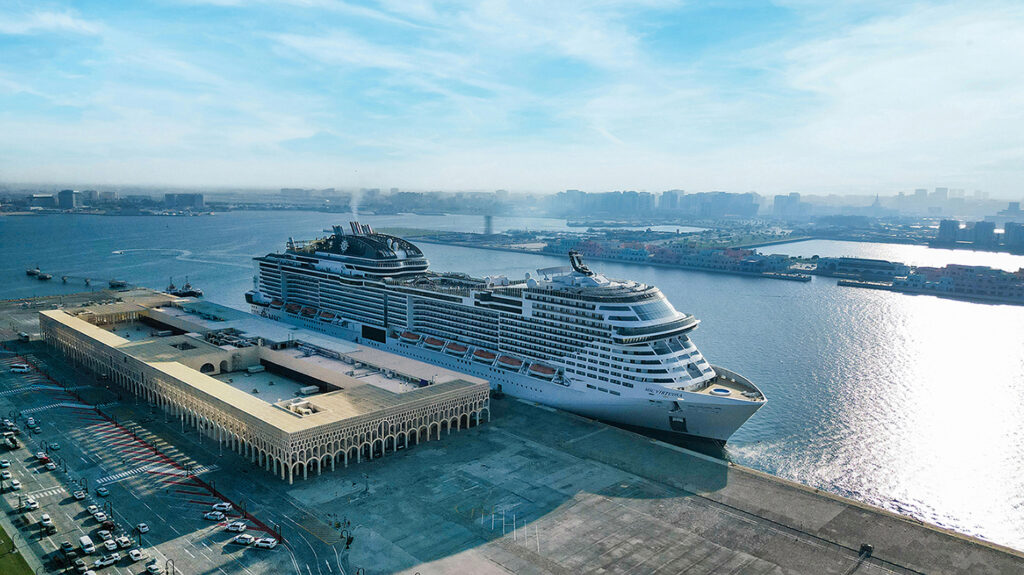
Port infrastructure upgrades in Dubai, Abu Dhabi, and Doha further facilitate these seasonal expansions. Improved turnaround facilities and streamlined embarkation support allow cruise lines to operate more efficiently during shoulder periods, boosting operational confidence and passenger satisfaction.
Implications for Travel Agents & Market Development
For travel agents servicing the Middle East market, the shoulder season unlocks substantial commercial potential. Extended sales windows reduce seasonal pressure and diversification of cruise options strengthens client retention. Education on shoulder-season benefits and proactive promotion of tailored itineraries can yield increased bookings and higher commission yields.
Agents equipped with detailed knowledge of new ship deployments, itinerary nuances, and onboard package advantages stand to become trusted advisors, fostering loyalty and repeat sales.
Industry analysts underscore that shoulder-season growth dovetails with broader GCC market trends: a youthful demographic increase, growing affluence, and shifting leisure preferences toward experiential travel. The region’s cruising calendar is expected to evolve from a traditionally winter-dominant model to a more balanced year-round offering within the next five years.
Breaking Down Barriers
Nevertheless, challenges remain in fully unlocking shoulder-season cruising in the Middle East. Awareness among consumers and agents of the benefits and feasibility of off-peak travel must be enhanced. Marketing narratives still overwhelmingly emphasise winter, requiring recalibration to highlight the comfort, exclusivity, and value present in shoulder months.
Furthermore, airlines and regional connectivity must support more flexible travel plans to feed shoulder-season cruise bookings adequately.
Collaboration across cruise lines, port authorities, travel agents, and tourism boards will be vital to address these barriers. Joint campaigns, traveller education, and product innovation will ensure that shoulder-season cruising becomes a sustainable growth pillar within the GCC cruise ecosystem.
Conclusion
Norwegian Cruise Line’s pioneering approach to Gulf shoulder-season cruising is emblematic of the market’s latent potential. By expanding fleet deployment, innovating onboard offerings, and targeting evolving traveller behaviours, NCL is unlocking new commercial avenues for the Middle East’s cruise trade.
For travel agents and regional stakeholders, embracing the shoulder season as a growth opportunity requires proactive engagement, enhanced knowledge, and strategic partnerships. The Middle East’s cruise calendar is poised for evolution, and those prepared to tap into shoulder-season demand will secure a competitive advantage in this dynamic and expanding market.