
The Future of Fly-Cruise in the Middle East
The Middle East cruise market, long driven by regional homeporting and road-accessible source markets, is undergoing a strategic evolution that spotlights the untapped potential of fly-cruise products. Fly-cruise offers—cruises combined with air travel packages—represent a fresh frontier for travel agents and cruise operators aiming to broaden the customer base beyond the GCC’s immediate neighbours.
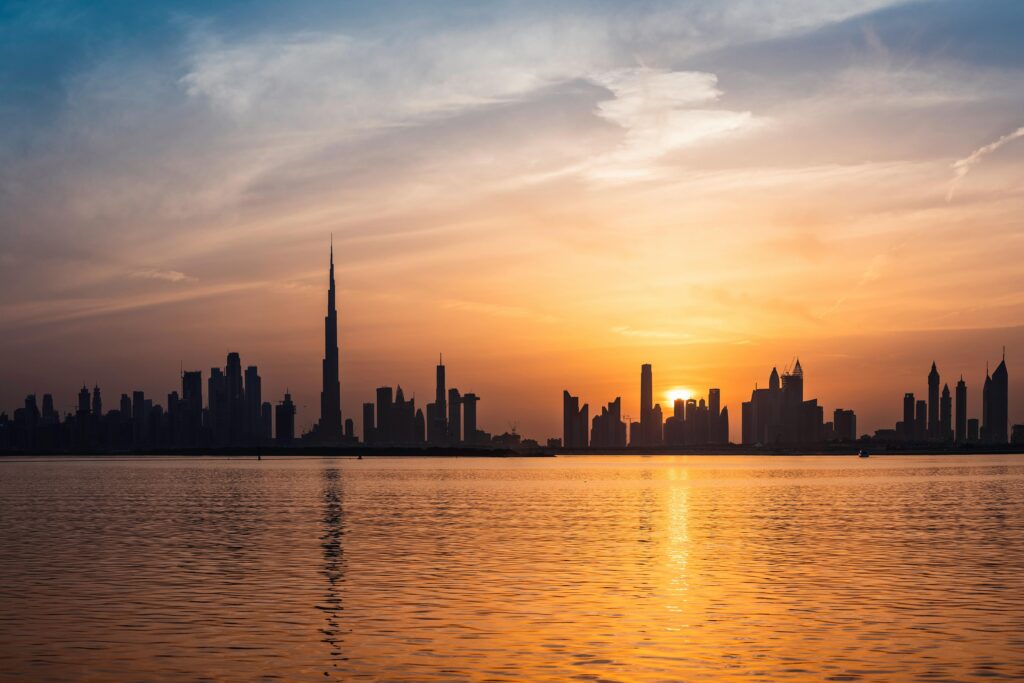
Central to this dynamic is the active collaboration between local airlines, notably Emirates Airline, and key stakeholders such as Dubai’s Department of Economy and Tourism (DET) and Dubai Cruise Port. These partnerships are creating seamless, integrated fly-cruise experiences designed to attract travellers from Europe, Asia, and beyond—capitalising on Dubai’s global connectivity and its rapidly expanding cruise infrastructure.
Strategic Rationale Behind Fly-Cruise Growth
Fly-cruise development addresses core limitations of road-centric cruising in the Gulf by expanding the available source market to include long-haul visitors and expatriate communities. The ability to bundle convenient direct flights with convenient cruise embarkation means agents can offer fully packaged premium solutions that appeal to high-net-worth and experience-driven consumers.
Emirates’ worldwide flight network and Dubai’s status as an international hub enable travellers from Europe, India, China, and southeast Asia to arrive and immediately embark on a cruise, minimising travel anxiety and time costs. For cruise lines, this access translates to higher load factors and season diversification, reducing the seasonal peaks centred solely on Gulf residents.
DET has aggressively promoted this fly-cruise synergy, hosting roadshows in target source markets and working with tour operators to foster awareness. The aim is crystal clear: position Dubai as a premier gateway for high-value, international cruise tourism.
Operational Enhancements and Passenger Experience
Collaboration extends beyond joint marketing and includes coordinated logistics connecting Emirates’ arrival bays and cruise terminal services. Dubai Cruise Port has introduced streamlined luggage handling and check-in procedures, ensuring that quiet transition from aircraft to ship is both time-efficient and comfortable.
Innovative technology integration—such as real-time flight and cruise synchronization platforms—mitigates disruption risks and improves customer reassurance. Passengers receive multi-modal itineraries covering ground transport, flights, and ship boarding procedures in a single digital itinerary.
Meanwhile, onboard product innovation complements fly-cruise convenience by offering flexible embarkation times, culturally relevant programming (including Arabic language services and halal dining), and curated shore excursions tailored for international visitors and local GCC traditions.
Market Implications for Travel Agents and Cruise Lines
For travel agents, fly-cruise represents a lucrative and differentiating sales proposition. It opens avenues to clients who may not have previously considered Gulf cruises due to transit complexity or perceived inconvenience. Agents trained on the nuances of fly-cruise packaging, air-cruise coordination, and client education can build trust and extend their service remit into international markets.
Major cruise lines such as StarDream Cruises have already announced plans to capitalise on Dubai fly-cruise potential, targeting family groups and MICE segments through tailored itineraries designed for short to medium cruise lengths combined with flexible international air travel.
The trend is expected to accelerate with increased cruise terminal capacity planned for the coming years, alongside Emirates’ fleet expansion and route diversification. Strategic timing and pricing of fly-cruise packages will prove pivotal to capturing evolving consumer appetites for immersive, efficient travel experiences.
The Broader Significance for the Middle East Cruise Market
Fly-cruise development is a pivotal element in the broader evolution of Gulf cruise tourism from a primarily resident-market phenomenon to an international-year-round industry. It synergises with regional infrastructure investment, port authority ambitions, and luxury cruise product differentiation to position the GCC—particularly Dubai—as a global cruise hub.
As global competition intensifies, the Middle East’s advantage lies in its connectivity, modern facilities, and willingness to innovate with fully integrated travel experiences. The fly-cruise offer is therefore not just a complementary product; it is a transformational enabler for the region’s cruising future.