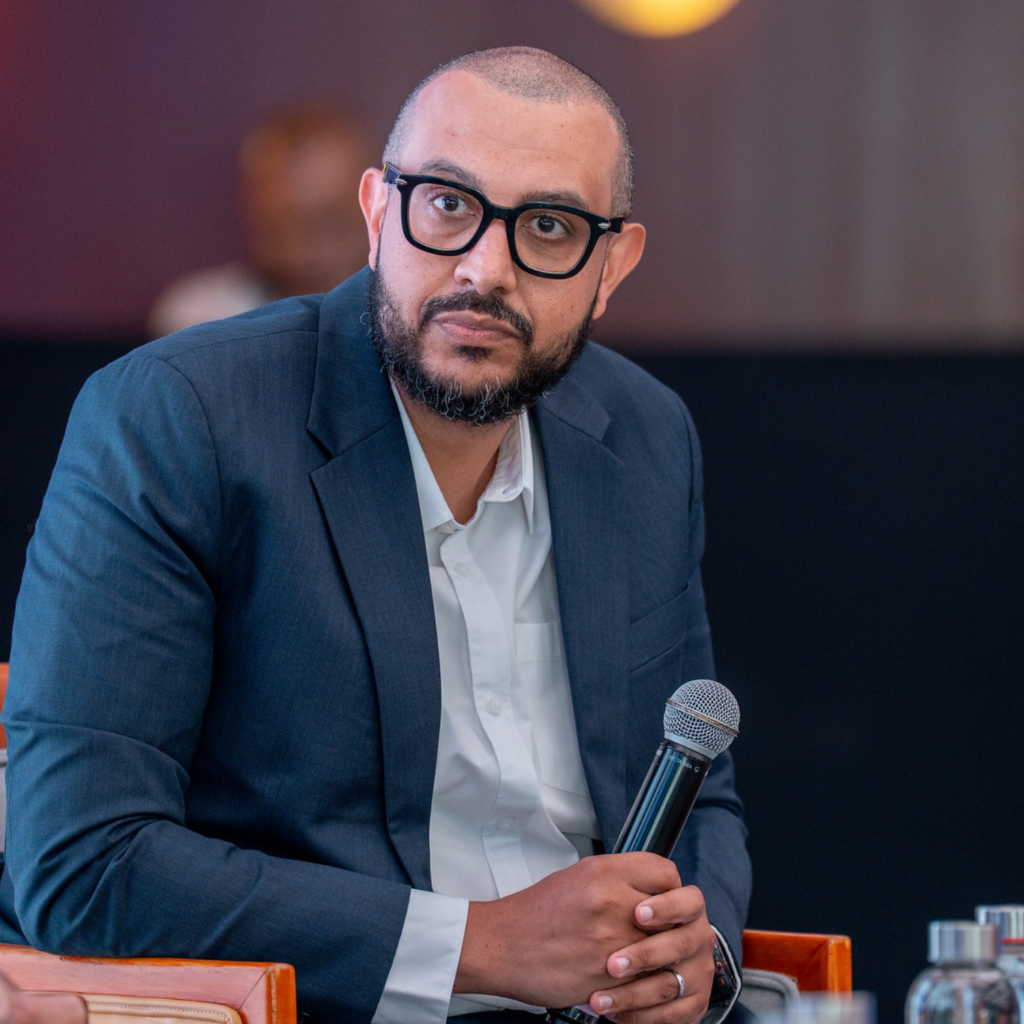
Royal Caribbean Arabia is seeing GCC cruise demand become more segmented, with travellers moving beyond multigenerational family holidays to seek smaller ships, destination-led journeys and expedition experiences, according to Managing Director Mohamed Saeed.
Speaking to The Cruise News Middle East at Arabian Travel Market 2026, Saeed said the changing profile of regional demand is reinforcing the need for travel advisors to understand the distinctions between Royal Caribbean Group’s three global cruise brands and match customers more precisely with the right product.
Royal Caribbean Group operates Royal Caribbean, Silversea, and Celebrity Cruises including Celebrity River Cruises as its three global cruise brands, alongside its joint-venture interests in TUI Cruises and Hapag-Lloyd Cruises. The Group positions Royal Caribbean around contemporary and family travel, Celebrity Cruises in the premium segment and Silversea across immersive luxury and expedition travel.
Different products for different travellers
At ATM, Saeed highlighted developments across all three brands.
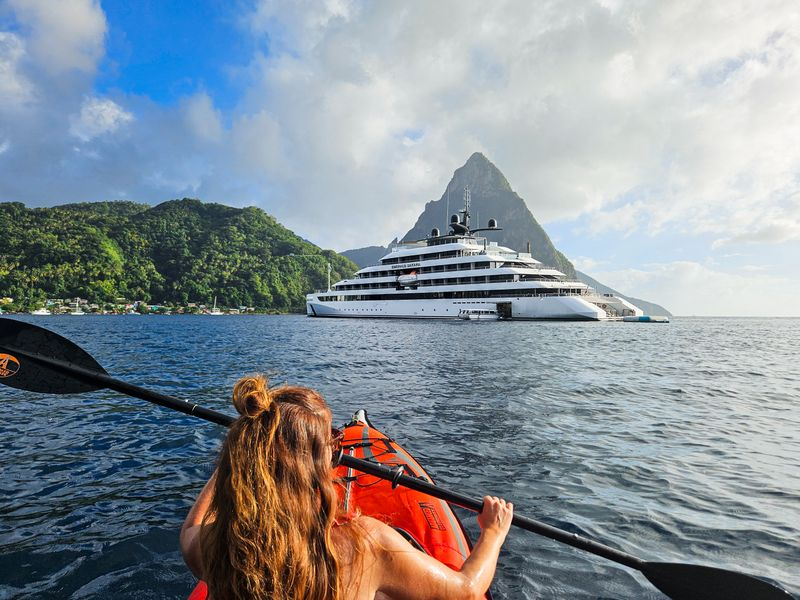
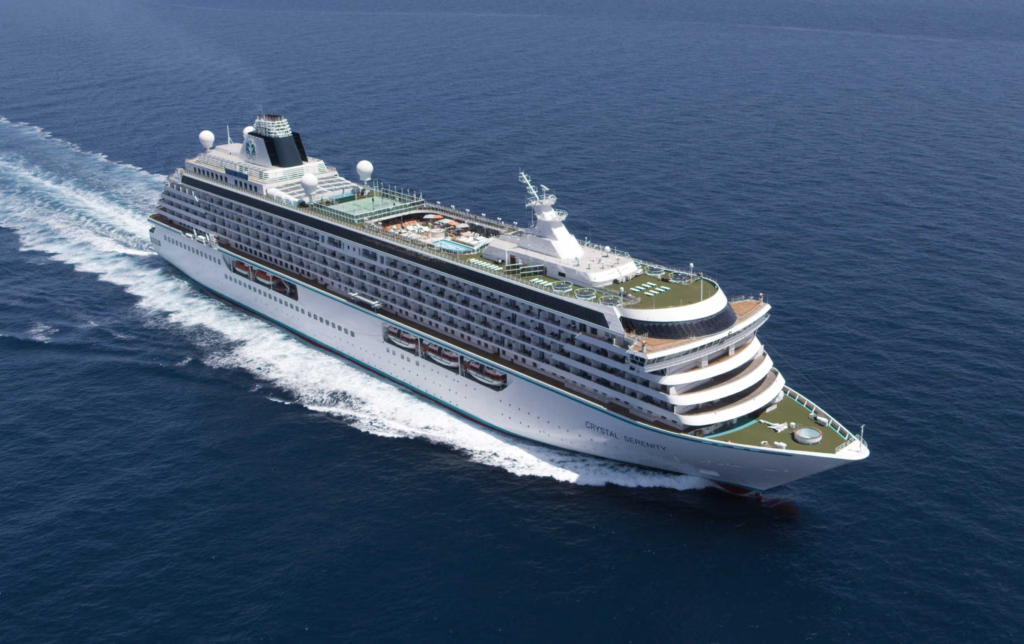
Royal Caribbean’s Legend of the Seas is set to return to Europe in summer 2027 for seven-night Western Mediterranean sailings from Barcelona and Rome. Celebrity Cruises is continuing the expansion of its Edge Series, with Celebrity Xcel having debuted in Europe in May 2026 and Celebrity Xcite scheduled to join the fleet in 2028. Silversea’s expedition offering, meanwhile, provides the Group with a proposition for travellers seeking smaller ships and more destination-intensive experiences. Saeed said the latter is becoming increasingly relevant as affluent Middle East travellers look beyond conventional cruise holidays towards experiences and destinations.
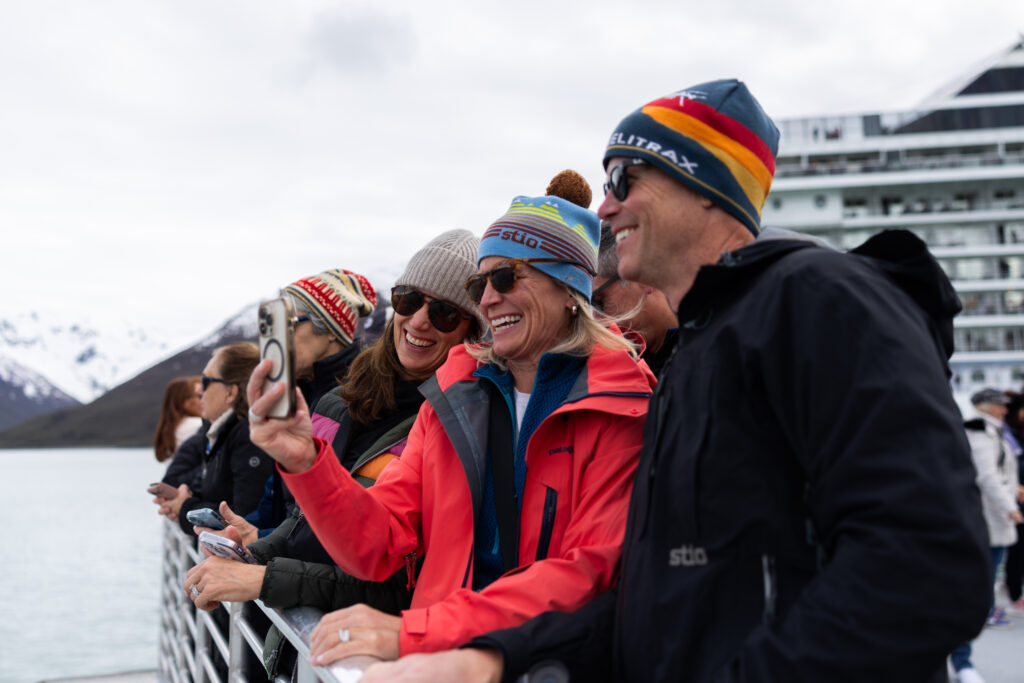
That diversification extends to the wider GCC customer. He pointed to multigenerational families travelling together, alongside customers specifically seeking adventure, smaller vessels, Northern European itineraries and colder-climate destinations including the Arctic and Antarctica.
For Saeed, successfully selling across those categories begins with qualifying the traveller rather than starting with the brand.
“First thing you need to do, qualify the customers on what do they want. What would they like to achieve from this vacation?”
The principle, he said, is similar to the way advisors already understand segmentation across different hotel brands. Royal Caribbean Arabia supports that process through webinars and face-to-face training designed to help the trade identify the most appropriate product for each customer.
Technology targets the multi-cabin challenge
Alongside education, Saeed identified booking technology as another area where the regional trade can be better supported. Cruise reservations can be more complex than hotel bookings, he said, particularly in the GCC where a single family transaction can involve two or more cabins with different occupancy requirements.
Saeed said Royal Caribbean Arabia has introduced a new B2B booking platform, RCA One, that brings its brands together and gives trade partners greater flexibility to handle multi-cabin bookings. The platform is intended to simplify the process of booking several cabins under a single family transaction, a common pattern in the GCC market.
“Cruise is complex when it comes to booking it,” Saeed said, contrasting the process with simpler hotel reservations.
The multi-cabin functionality is particularly relevant to regional family travel, where several generations or larger groups may be travelling together.
Saeed also said further technology development is planned with cruise technology provider Odysseus Solutions. The aim, he said, is to introduce an AI-supported chatbot within the next six to eight months that would allow advisors to describe a customer’s requirements and receive relevant cruise options.
ATM shifts towards relationship building
Saeed also described a change in the role ATM plays for cruise brands. Where earlier editions could involve contracts being negotiated directly at the show, he said the post-pandemic environment has placed greater emphasis on maintaining relationships, reconnecting with existing partners and meeting new ones, with much of the resulting commercial activity taking place after ATM.
For Royal Caribbean Arabia, maintaining that presence is closely connected to supporting the regional trade. The change in the GCC customer itself is more significant. Saeed described the market as increasingly mature in its understanding of cruise, with travellers already recognising advantages such as visiting multiple destinations while unpacking once.
The next challenge is therefore less about explaining cruise as a holiday category and more about helping customers navigate a much wider choice of cruise experiences.
For travel advisors, that puts customer qualification and product knowledge at the centre of the sales conversation. For Royal Caribbean Arabia, the combination of training, segmentation and increasingly streamlined booking tools is intended to make that process easier.
More from ATM 2026: Read Cruise at ATM 2026: The Industry View, TCN’s flagship analysis of the trends, trade priorities and market opportunities emerging from this year’s show.
Source: This interview was conducted by The Cruise News Middle East editor-in-chief Sini Jerome at Arabian Travel Market 2026 in Dubai.