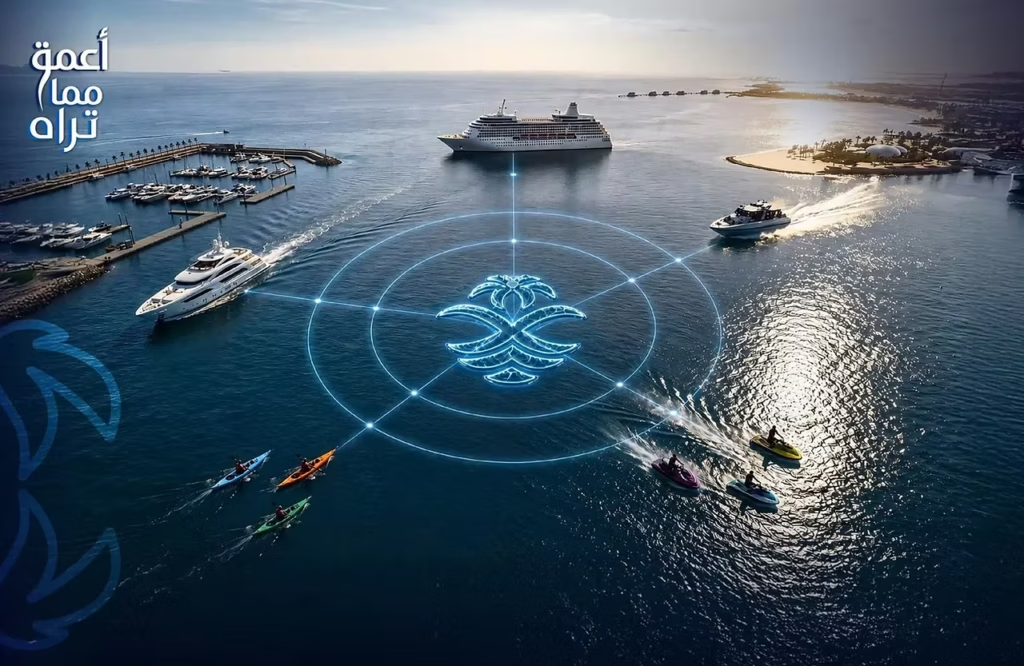
RIYADH, Sept. 2, 2026: The Saudi Red Sea Authority (SRSA) has launched its “Deeper Than It Seems” awareness campaign to explain the regulatory framework governing maritime and navigational tourism activities along Saudi Arabia’s Red Sea coast. According to the authority’s official release, the campaign focuses on the licences, permits, requirements and procedures that support safety, quality and sustainability before and throughout a coastal tourism experience.
Regulation extends beyond licensing
The campaign sets out SRSA’s role as both regulator and enabler of the coastal tourism sector, with marine tourism activities operating within a framework built on technical requirements and international standards.
The authority says compliance is not limited to the point at which a licence is issued. Regulatory oversight continues through field verification and compliance visits to marinas, vessels and marine activity sites, checking that operations remain aligned with the conditions under which they were approved.
The framework is intended to provide clear procedures for operators while establishing consistent expectations across the sector. Requirements differ according to the nature of an activity and its level of risk, but the stated objectives remain visitor safety, service quality and protection of the marine environment.
Cruises fall within wider marine tourism framework
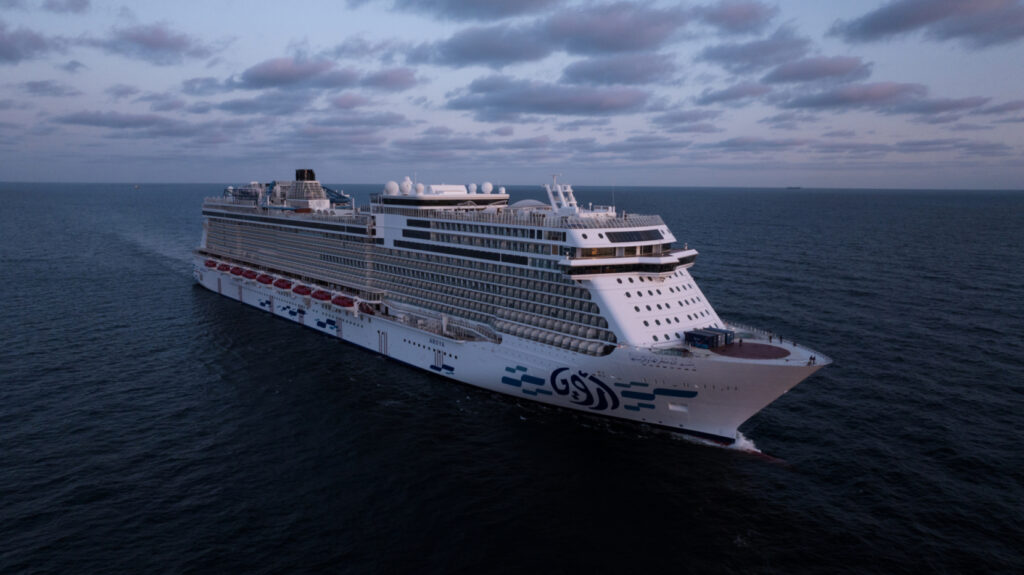
SRSA’s regulatory scope covers a broad range of maritime and navigational tourism activities. Cruises, marinas, yachts, boats, beaches and other marine activities all fall within the framework, rather than being regulated through a single set of requirements regardless of their scale or operating profile.
By applying requirements according to activity type and risk, the authority aims to maintain common safety and quality standards while allowing the regulatory process to reflect different forms of coastal tourism.
The campaign also draws attention to the work that takes place before a tourism experience begins, from regulatory approvals and licensing to the requirements governing operations once an activity is underway. Compliance is therefore presented as an ongoing responsibility rather than a one-off administrative stage.
Marine protection forms part of regulatory approach
Environmental protection is another focus of the campaign. SRSA says activities in sensitive marine areas, particularly marine habitats and coral reefs, are subject to regulation intended to support continued tourism activity while preserving the Red Sea’s natural assets.
The authority’s approach places environmental requirements alongside visitor safety and service quality within the broader regulatory system. This is intended to balance the development of coastal tourism with the protection of the marine environment on which those activities depend.
Investment and sector cooperation highlighted
The campaign also links regulatory clarity with investment in coastal tourism. SRSA says investors require clear information on the responsible authority, licensing and operating procedures, and the regulatory conditions that continue throughout the life of a project. Through establishing regulatory frameworks, issuing licences and permits and simplifying procedures, the authority aims to provide a stable operating environment for coastal tourism projects and support further investment in the sector.
SRSA also highlights cooperation between government entities, private-sector operators and developers, and the non-profit sector. The campaign presents development of coastal tourism as a shared undertaking across these groups, with responsibilities extending from regulation and investment to operations and environmental protection.
The initiative forms part of SRSA’s wider role in regulating and enabling tourism activities along the Kingdom’s Red Sea coast and supports Saudi Vision 2030 objectives covering economic diversification, tourism development and the protection of natural resources.
Source: Official annoucement bySaudi Red Sea Authority on 2 September 2026, Riyadh.